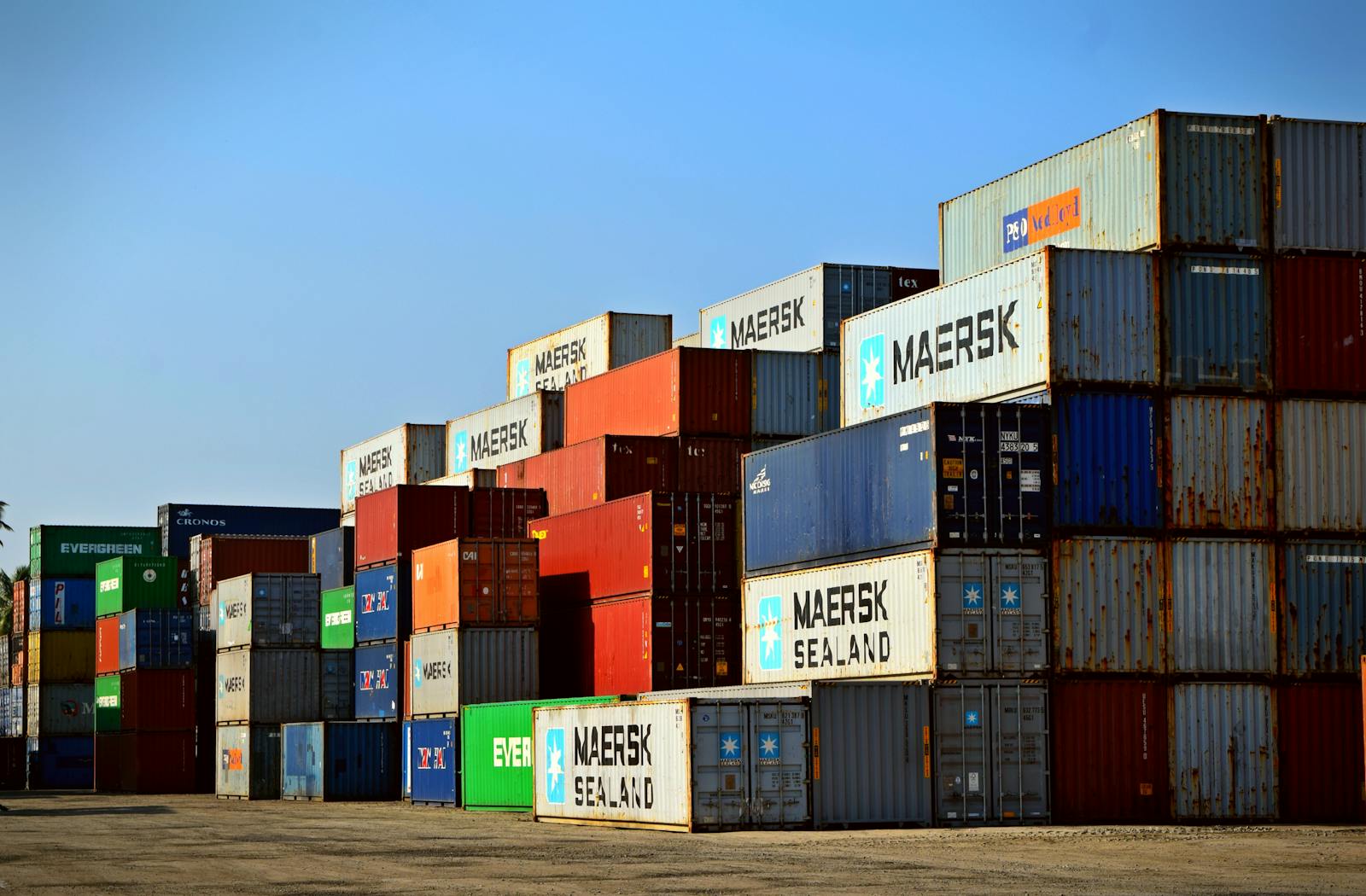
Trade debt — money owed between businesses for goods supplied or services rendered on credit — is recovered differently from consumer debt, and creditors who apply consumer instincts to a B2B file leave money on the table. The short version: a company debtor responds to commercial leverage (supply, reputation, credit standing, winding-up exposure) far more than to persistence, and every step you take is constrained by one clock — the six-year limitation window under s.6 of the Limitation Act 1953.
This article sets out what actually distinguishes B2B collections in Malaysia, the leverage that moves corporate debtors, and how the limitation rules shape strategy from the first reminder to enforcement.
Five structural differences between B2B and consumer debt
| Trade / B2B debt | Consumer debt | |
|---|---|---|
| Debtor | A company or business — decisions made by directors and finance teams weighing commercial consequences | An individual — decisions driven by personal circumstances |
| Typical size | Larger sums; five to seven figures per account | Smaller balances |
| Evidence | Contracts, POs, delivery orders, invoices, statements — the debt is usually well documented | Often thinner documentation |
| Leverage | Supply continuity, credit reputation, guarantees, statutory demand and winding-up exposure | Limited; heavily protected by consumer-facing regulation |
| Insolvency endgame | Corporate winding-up — RM 50,000 statutory demand threshold (Companies Act 2016 s.466) | Personal bankruptcy — RM 100,000 threshold (Insolvency Act 1967, as amended in 2023) |
One boundary worth stating plainly: distressed individuals with personal financing problems are served by AKPK, Bank Negara's credit counselling agency. Commercial recovery firms like CIRN work the other side of the line — business-to-business receivables, where the tools and the rules are different.
Commercial leverage: why companies pay
A trade debtor rarely pays because it was asked nicely a sixth time. It pays because non-payment starts costing more than payment:
- Supply continuity. If you are one of the debtor's important suppliers, a credit hold is often more persuasive than a writ. Goods stop, projects stall, their own customers notice.
- Credit standing. Legal action and judgments surface in Malaysian credit reports. A company that lives on trade credit protects that record.
- Director exposure. Personal guarantees convert a corporate problem into a personal one — and directors behave differently when their own assets are in the frame. Fraudulent trading under s.540 of the Companies Act 2016 can also pierce the corporate veil in egregious cases; see director personal liability in Malaysia.
- Winding-up exposure. For an undisputed debt of RM 50,000 or more, a s.466 statutory demand puts the debtor 21 days from being deemed insolvent. For a trading company with banking lines, that threat is existential — banks and major suppliers react to a winding-up petition immediately.
Effective trade recovery is the art of selecting which lever to pull, in which order, based on the debtor's business model — not simply escalating harder.
The relationship question: recover the money, keep the customer?
Consumer collection is usually terminal — the relationship is over. Trade debt is often owed by a customer you may want to keep, which argues for staged escalation:
- Professional demand — a firm, precise letter of demand that reframes the debt as a matter now handled by professionals, while leaving the trading door open.
- Negotiated settlement or instalments — always secured by a signed acknowledgement of debt (which also restarts limitation) and, ideally, a personal guarantee for the balance.
- Formal escalation — statutory demand, suit and winding-up pressure once the debtor's conduct shows the relationship is already spent.
The discipline is to let the debtor's behaviour choose the stage. A customer who engages, documents a plan and pays instalments has earned patience. A customer who promises, misses, re-promises and goes quiet has told you the relationship is already gone — the only question left is who gets paid before the assets do.
In distressed-debtor situations, recovery is a queue, and the queue is ordered by pressure. The supplier who escalated at 90 days gets the settlement; the one who waited eighteen months files a proof of debt in the liquidation. If you hear that other creditors are demanding or petitioning, your timetable is no longer yours — move immediately.
The six-year window: Limitation Act 1953, s.6
Every trade debt in Malaysia sits on a countdown. Under s.6 of the Limitation Act 1953, an action founded on contract must be brought within six years of the cause of action accruing — for an invoice, broadly six years from its due date. Miss it and the debt is statute-barred: still owed in theory, unenforceable in practice.
Three practical rules follow:
- Each invoice generally carries its own clock. On a running account the oldest invoices expire first, silently, while you negotiate about the newest.
- Acknowledgement and part-payment restart limitation. A signed statement of account, an email admitting the balance, or any part-payment resets the six years. On ageing accounts, obtaining one is a strategic objective in itself.
- Judgment changes the clock. Once you sue in time and obtain judgment, enforcement runs on a 12-year outer limit — though leave of court is required to issue execution on a writ more than six years after judgment, so enforcement should not be parked either. See our debt recovery timeline for how the stages fit together.
The commercial implication: "we'll give them more time" is a decision with a legal cost. Time given should be documented time — acknowledged, scheduled and secured — never silent drift.
What a structured trade recovery actually looks like
On a typical B2B file, the sequence runs: verification of the debt pack (contracts, POs, DOs, invoices, statements) → professional letter of demand with a 7–14 day window → negotiation phase with instalment documentation where genuine → escalation to the correct instrument: O.14 summary judgment for documented claims with no real defence, statutory demand for undisputed RM 50,000+ corporate debts, or CIPAA adjudication for construction accounts. Judgment in hand, enforcement follows through writ of seizure and sale, judgment debtor summons or garnishee proceedings against bank accounts and receivables.
Well-run trade files resolve disproportionately at the demand and negotiation stages precisely because the corporate debtor can see each next step is real. The full route map is in how to recover debt in Malaysia.
Frequently asked questions
How long do I have to recover a trade debt in Malaysia?
Six years from the date the debt fell due, under section 6 of the Limitation Act 1953. A written acknowledgement of the debt or a part-payment restarts the clock. Once judgment is obtained, enforcement has a 12-year outer limit, though court leave is needed to enforce a writ more than six years after judgment.
What is the difference between B2B and consumer debt collection in Malaysia?
B2B debts are usually larger, documented by contracts and invoices, and owed by companies that care about supply continuity, credit reputation and winding-up exposure — so commercial leverage often produces payment without court. Consumer collection is a different, more regulated space; AKPK assists individuals, while firms like CIRN handle commercial matters.
Can I keep the business relationship and still recover the debt?
Often, yes. Staged escalation — professional demand, negotiated instalments secured by an acknowledgement of debt, credit hold rather than immediate litigation — recovers most trade debts while leaving room to keep trading. The escalation path should be decided by the debtor's conduct, not by sentiment.
What leverage do creditors have over a company that will not pay?
Supply suspension, credit reporting consequences, contractual interest, personal guarantees against directors, and statutory pressure: an undisputed debt of RM 50,000 or more supports a section 466 Companies Act 2016 statutory demand, with winding-up exposure 21 days later. Judgment debts can be enforced by seizure and sale or garnishee proceedings.
This article is general commercial information for Malaysian creditors, not legal advice. Every recovery matter turns on its facts — speak to our team about your specific situation.